Starting from the Xia, the Shang and the West Zhou, China began the replacement of dynasties one after another. Both the Xia and the Shang had official post specially set up to manage handicrafts under the direct control of royal families and nobles. The sacrificial vessels, sacrificial utensils, weapons and valuable articles for daily use needed by the rulers were all fabricated by the handicrafts under the control of officials. Most of the craftsman in the Shang Dynasty belonged to the respective clan engaged in a special kind of handicraft from generation to generation but a small part of them were slaves transformed from prisoners of war.
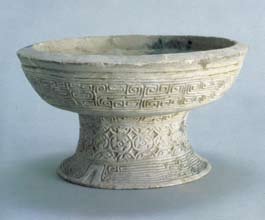
Bronze ware was an important handicraft variety in the Shang Dynasty. The brone ware of the Shang Dynasty had almost all categories with various shapes. For decorative designs, they were of central symmetry of single line patterns, mysterious and solemn. Due to the tendency of drinking prevailing among the ruling class of the Shang Dynasty, the making of drinking vessels was highly developed. As the cost was very high, the bronze ware could only be used by rulers. For the broad masses of slaves, earthenware was still taken as principal articles for their daily necessities. As a result, the pottery-making technique of the Shang Dynasty was also universally developed. There were three kinds of technique to make pottery: wheel, mold and their combination. There was also an internal division of labor for the pottery-making technique and different kilns fired different potteries. China is the first nation in the world to breed silkworms, weave silk fabrics and use lacquer. In the Shang Dynasty, wild silkworms had already been domesticated. The coating of lacquer can prevent wooden articles from rotting and be used for decoration as well. So far as decoration was concerned, the handicraft in the Shang Dynasty was full of strong religious color and its religious significance was more important than aesthetic consciousness.